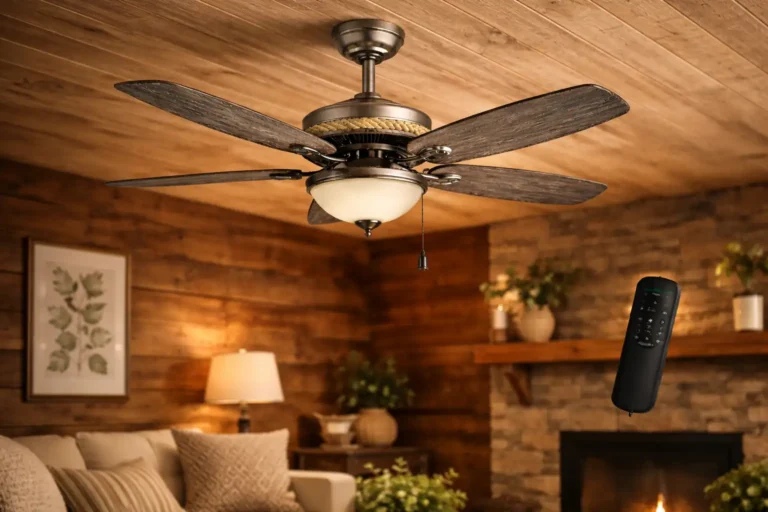
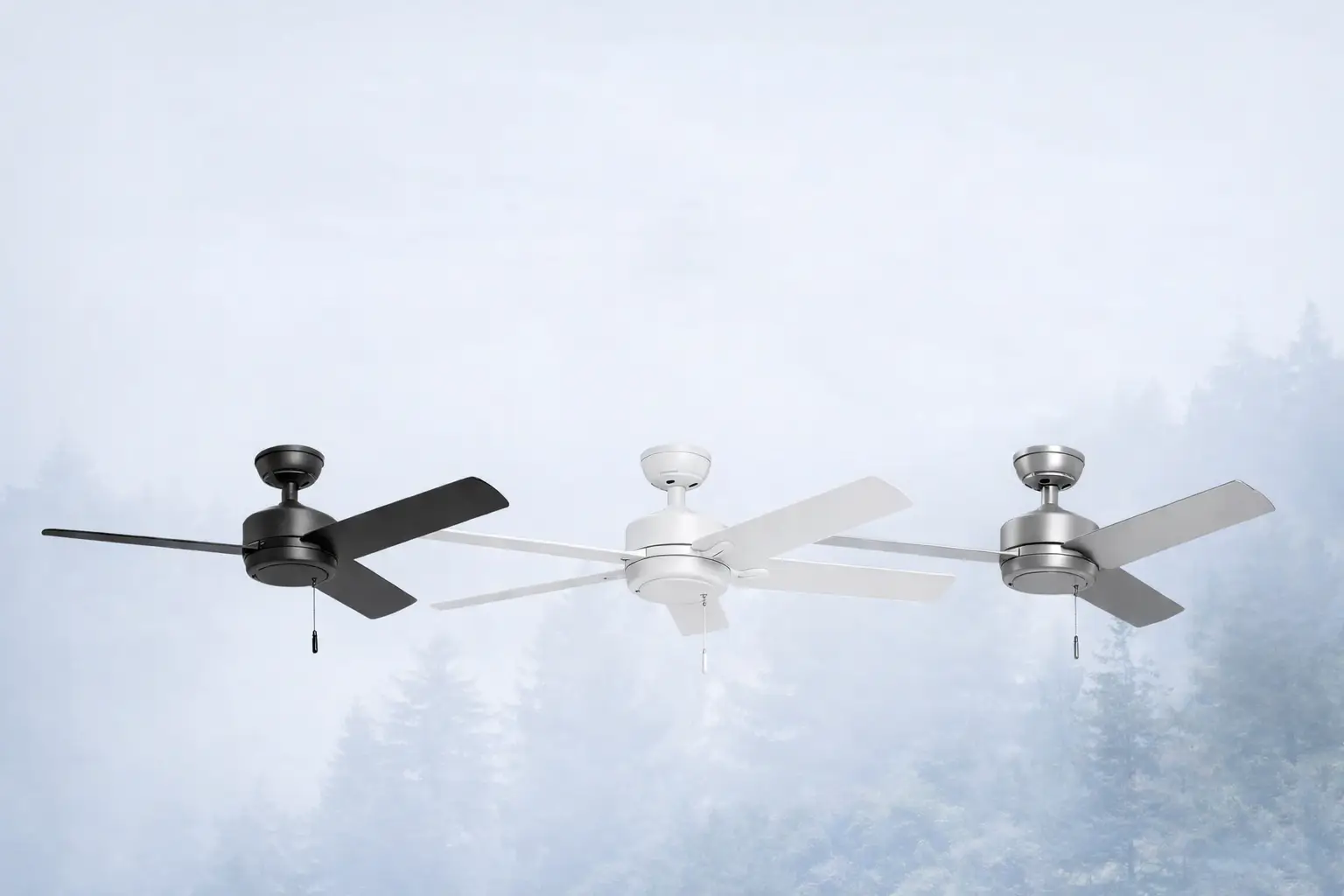
Harbor Breeze Outdoor Ceiling Fan
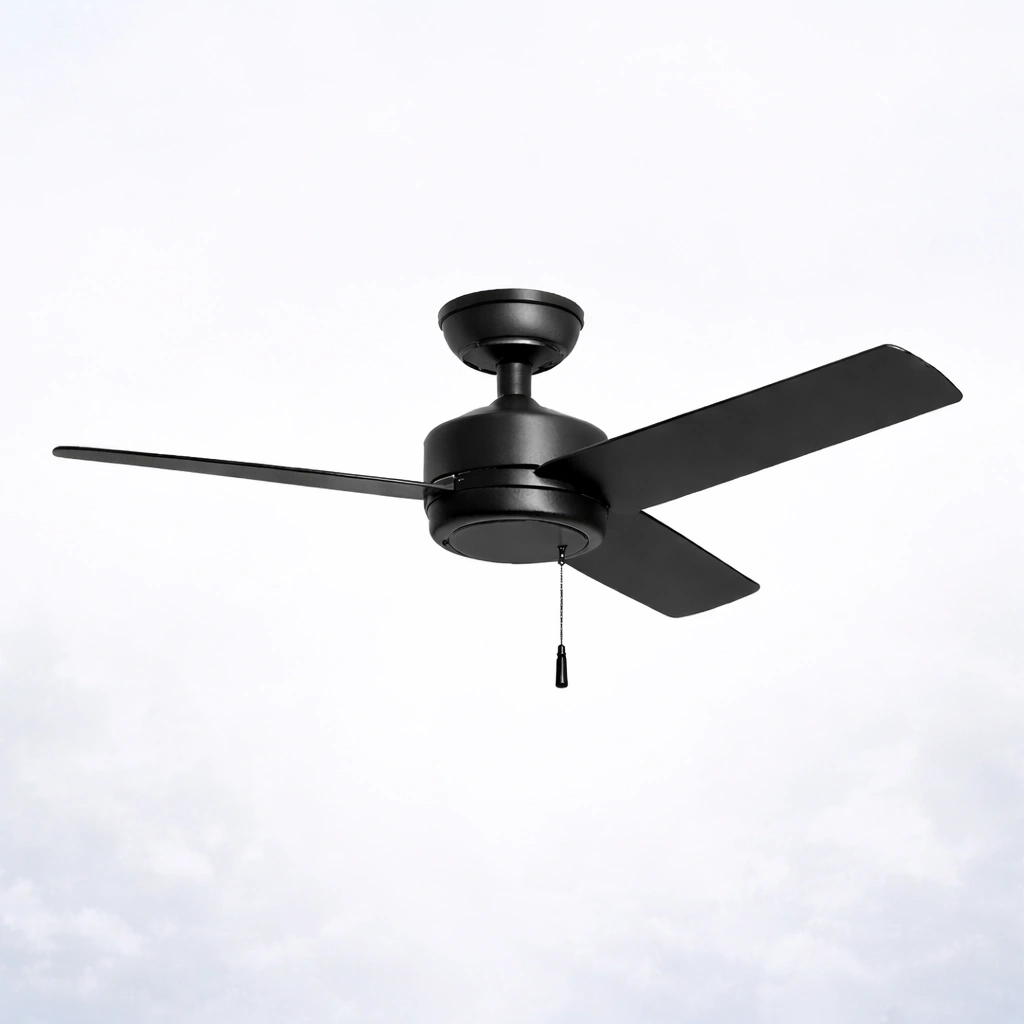
Hunter 44 inch Outdoor or Indoor Ceiling Fan No Light – Cassius 50260, Matte Black
- Compact 44-inch blade span for small rooms
- Modern three-blade design with efficient airflow
- Matte black finish suits modern interiors
- Durable build for indoor and covered outdoor use
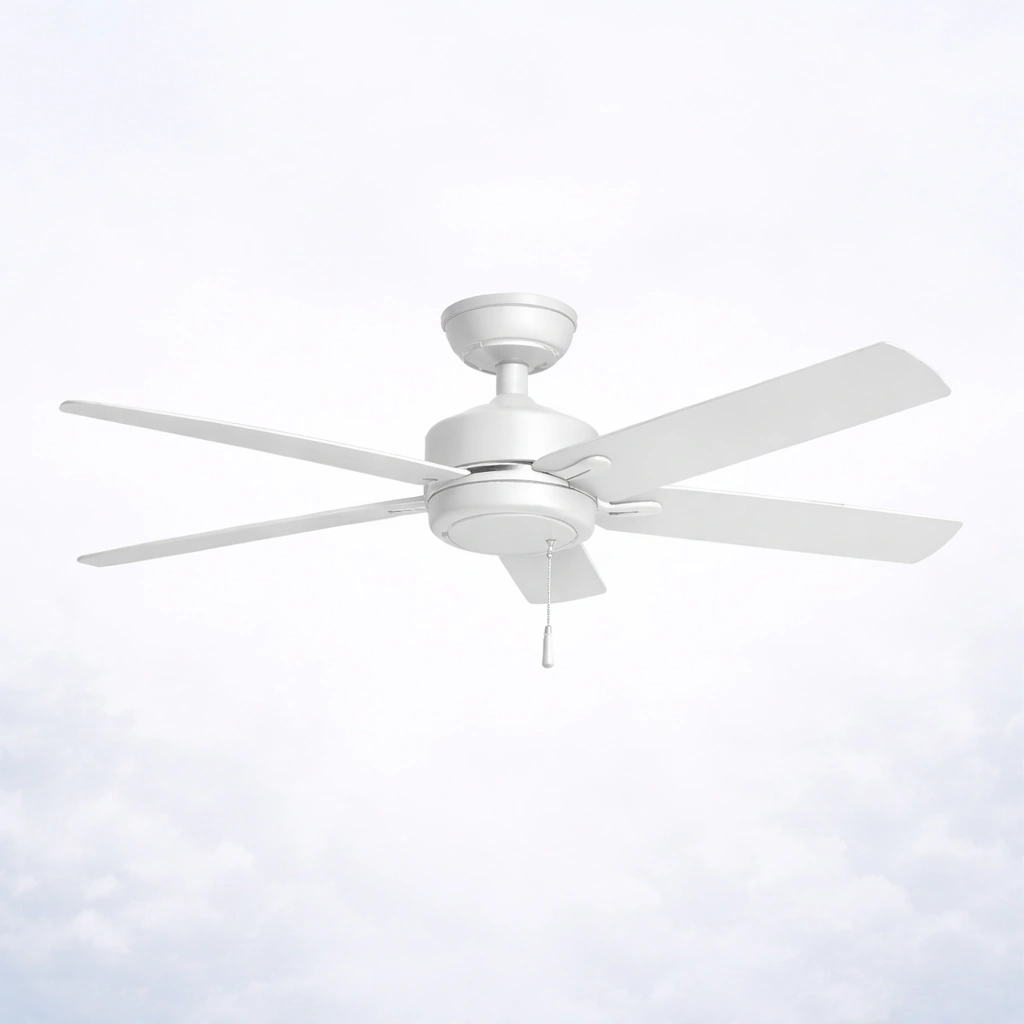
Hunter 52 inch Outdoor or Indoor Ceiling Fan No Light – Windbound 51460, Matte White
- Large 52-inch blade span for wider airflow
- Five balanced blades for steady circulation
- Matte white finish for clean modern look
- Quiet motor for smooth daily operation
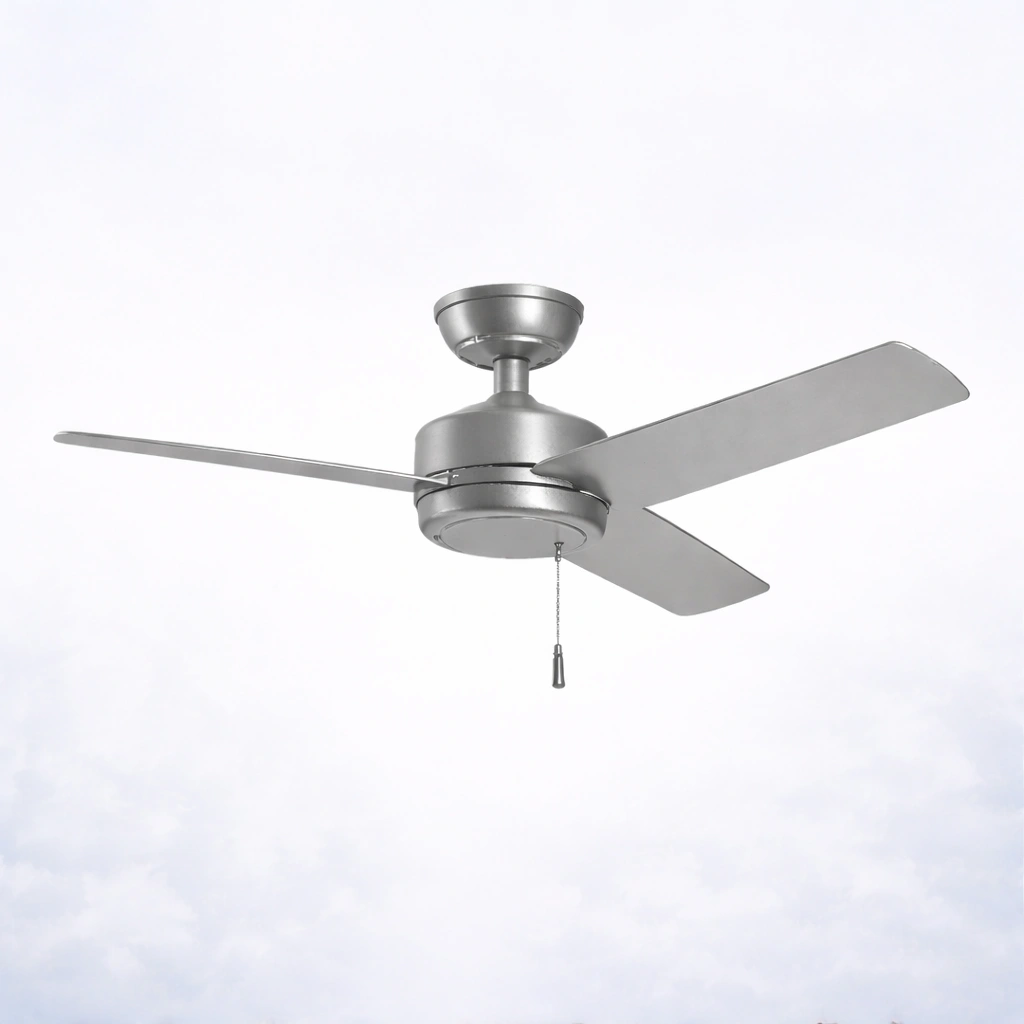
Hunter 44 inch Outdoor or Indoor Ceiling Fan No Light – Cassius 50256, Matte Silver
- Compact 44-inch design for smaller spaces
- Three blades for strong air circulation
- Matte silver finish with modern appearance
- Pull chain control for simple operation
Choosing the Right Ceiling Fan Without Light for Indoor and Outdoor Spaces
Harbor Breeze ceiling fans remain one of the most practical and efficient ways to improve airflow in both indoor and covered outdoor areas. While many ceiling fans include integrated lighting, a growing number of homeowners prefer models without lights.
These fans focus entirely on airflow performance and often provide a cleaner, more minimal design that works well with existing lighting fixtures.
Ceiling fans without lights are particularly useful in spaces where lighting is already installed, such as living rooms with recessed lights, patios with mounted fixtures, or garages with overhead lighting. Instead of adding unnecessary illumination, these fans provide steady air circulation that improves comfort and helps regulate room temperature.
Modern ceiling fans are also designed with improved motor technology, durable blade materials, and sleek finishes that complement contemporary interior styles. Whether installed indoors or in covered outdoor environments, a well-selected ceiling fan can provide reliable comfort year-round.
Why This Product Category Matters
Ceiling fans without lights serve an important role in modern home design. Many homeowners already have layered lighting systems that include ceiling lights, wall lighting, or recessed fixtures. In these situations, a fan with an integrated light may be unnecessary or even visually cluttered.
Fans without lighting kits offer a more streamlined appearance. Their minimalist structure allows them to blend naturally into a ceiling while still delivering powerful airflow. This design approach is especially appealing in modern and minimalist homes where clean lines and simplicity are important.
Another advantage is improved airflow efficiency. Without the added weight of a light fixture, the fan’s motor and blades can focus entirely on air movement. This often results in smoother operation and consistent airflow throughout the room.
For covered outdoor areas like patios and porches, ceiling fans also help circulate fresh air and reduce heat buildup. This makes outdoor living spaces far more comfortable during warmer months.
Key Features to Look For
When choosing a ceiling fan without a light, several important features should be considered to ensure reliable performance.
Blade Span
The blade span determines how much air the fan can circulate. Smaller fans, typically around 44 inches, are well suited for compact rooms, bedrooms, garages, and small patios. Larger fans, around 52 inches, are designed to circulate air in medium or larger spaces such as living rooms or covered outdoor seating areas.
Selecting the right blade size ensures the fan moves enough air without overwhelming the space.
Blade Design
Blade count and shape affect airflow and appearance. Three-blade fans often deliver strong airflow with a modern, minimalist look. Five-blade fans create more balanced airflow and often produce a quieter operation.
Both designs can perform well depending on the motor quality and blade pitch.
Motor Performance
The motor is the core of any ceiling fan. A well-engineered motor ensures consistent airflow, reduced noise, and long operational life. Reliable motors also allow fans to operate smoothly at different speed levels without vibration.
High-quality fans often include precision-balanced blades and durable internal components to maintain performance over time.
Mounting Style
Most residential ceiling fans use a standard mount system that connects to the ceiling with a downrod. This mounting style provides stable installation and allows the blades to circulate air efficiently throughout the room.
Proper installation ensures the fan operates safely and effectively.
Benefits for Home Use
Ceiling fans without lights provide several practical benefits for everyday household use.
Improved Air Circulation
One of the main advantages of a ceiling fan is improved airflow. Fans help distribute air evenly throughout a room, reducing hot spots and creating a more comfortable environment.
In warmer months, moving air helps people feel cooler even without lowering the thermostat.
Energy Efficiency
Ceiling fans consume far less electricity than air conditioning systems. By circulating air effectively, they allow homeowners to raise thermostat settings while maintaining comfort. This can help reduce energy consumption and lower electricity costs.
Flexible Lighting Design
Without a built-in light fixture, homeowners can maintain full control over their lighting layout. This allows them to use pendant lights, recessed lighting, or wall fixtures without interference from the fan.
This flexibility is particularly useful in living rooms and outdoor patios where lighting styles vary.
Clean Aesthetic
Fans without lights often have a sleek and minimal design that blends well with modern interiors. Finishes such as matte black, matte white, and brushed silver complement a wide range of décor styles while maintaining a subtle ceiling presence.
Buying Guide
Selecting the right ceiling fan involves considering both the size of the space and the intended location of installation.
Match the Fan to the Room Size
Small rooms typically benefit from fans around 44 inches, while larger rooms require 52-inch fans for proper airflow. Choosing a fan that is too small may result in poor circulation, while a fan that is too large may dominate the space visually.
Consider Indoor or Outdoor Placement
If the fan will be installed in a patio or porch, it should be suitable for covered outdoor environments. These fans are built with materials designed to handle humidity and temperature changes.
Indoor-only fans may not perform well in outdoor conditions.
Choose a Compatible Finish
The fan’s finish should complement the overall design of the room. Matte black works well with modern or industrial interiors, matte white blends easily with minimalist décor, and silver or brushed finishes offer a contemporary appearance.
Matching the finish helps the fan integrate naturally with the space.
Check Control Options
Pull-chain controls remain one of the most common control methods for ceiling fans. They provide simple speed adjustments and are reliable for everyday use.
Some homeowners may also prefer wall controls or remote systems depending on the installation setup.
Maintenance Tips
Proper maintenance helps ensure a ceiling fan operates efficiently for many years.
Keep the Blades Clean
Dust buildup on fan blades can reduce airflow and affect balance. Regular cleaning helps maintain optimal performance.
Inspect Mounting Hardware
Occasionally check the mounting bracket and screws to ensure the fan remains securely attached to the ceiling.
Monitor Motor Performance
If unusual noise or vibration occurs, it may indicate that the blades need balancing or the mounting hardware requires adjustment.
Regular inspection helps prevent small issues from becoming larger problems.
Common Mistakes to Avoid
Many homeowners make simple mistakes when selecting or installing ceiling fans.
Choosing the Wrong Size
Installing a fan that is too small can result in poor airflow, while an oversized fan may not suit the room’s layout.
Incorrect Installation Height
Fans should be installed at an appropriate height from the floor to allow proper air circulation and safe operation.
Ignoring Outdoor Ratings
Using an indoor-only fan in an outdoor space may reduce its lifespan. Fans installed in patios or porches should be rated for covered outdoor use.
Final Thoughts
Ceiling fans without lights provide a practical and efficient way to improve airflow in both indoor and covered outdoor environments. Their minimalist design allows them to blend seamlessly with existing lighting setups while focusing entirely on air circulation.
Whether installed in a living room, garage, patio, or porch, these fans help maintain comfort, reduce heat buildup, and support energy-efficient cooling. Modern designs also offer reliable motors, durable blades, and finishes that complement contemporary home décor.
By choosing the right blade span, installation type, and finish, homeowners can find a ceiling fan that improves airflow while enhancing the overall appearance of their space. With proper installation and regular maintenance, a high-quality ceiling fan can provide dependable performance for many years.